What is symbiosis?
Symbiosis in the natural world is described as the close interactions
between different species or the relationship of species living together (Oulhen
et al. 2016).
It can be found all throughout the living world and wherever
there is life there is probably at least one group of symbiotic species. It is usually
why bees pollinate plants, parasites invade animals, how plants get nutrients from
the soil and even possibly an important driving factor for the evolution of
species and life as we know it today – but more on that in the later blogs (Bronstein
et al. 2006)(Gilbert 2019)(Douglas 2014)(Aanen & Eggleton 2017)(Lopez-Garcia
et al. 2017).
Why is it important?
Symbiotic relationships are often so heavily relied upon
that an organism cannot grow as it normally would without it’s symbiotic partners
(Gilbert et al 2015). This not only affects the species holding the
relationship but can also be essential elements of entire ecosystems (Heide et
al. 2012). Understanding these close relationships can also help us to understand
how these organisms function, how they evolved and how they may adapt to changes
in the future.
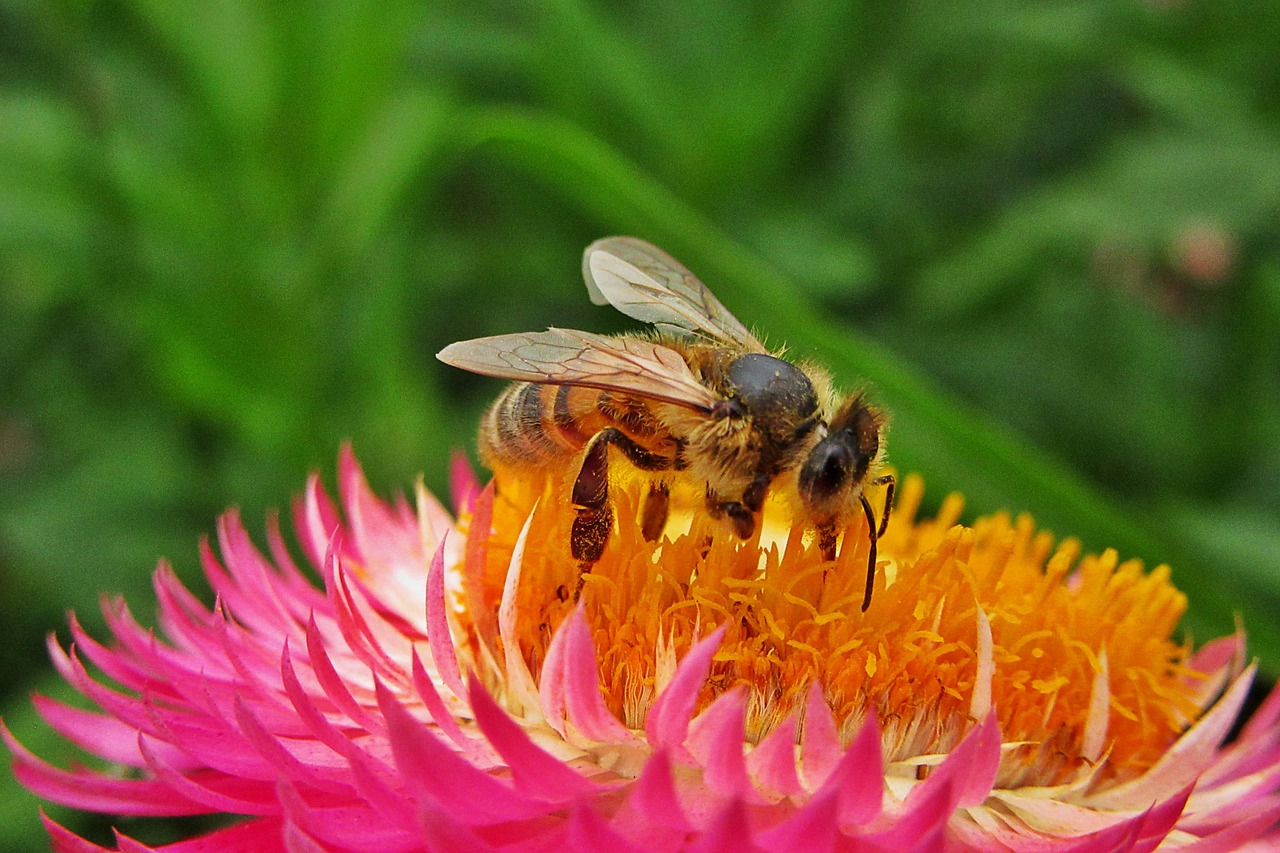 |
| Mutualism: A bee collecting pollen from a flowers for food also pollinates the flowers when it transfers pollen from one plant to the next (Bronstien et al. 2006). (Photoreith 2020) |
The Types of
symbiosis
According to Anton de Bary’s original definition of
Symbiosis, there are three main categories of symbiotic relationships: Mutualism,
Parasitism and Commensalism (Oulhen et al. 2016). Symbiotic relationships can
also vary between these categories (Oulhen et al. 2016).
Mutualism is a relationship where both of the symbionts
benefit (pictured above).
 |
Commensalism:
The Pilot Fish (Naucrates Ductor) recieves protection from predation while the
Shark (Carcharhinus Longimanus) is unaffected (Mangunsen & Gooding 1971,
Fuller & Parsons 2019). (Peterkoelbl 2006)
|
Parasitism is where one symbiont will benefit to
the detriment of the other.
These three categories can be divided further into either
ecto-symbionts (organisms living outside of each other) or endo-symbionts (one living
inside the other).
In this weekly blog I will go through some cool examples of symbiosis
and look at how symbiosis affects the evolution of species and how these
relationships help us understand the world around us. Hope you enjoy! 😊
...Check back next week for some classic examples of symbiotic
relationships we can easily see: Ecto-symbiosis in animals and plants.
A very interesting start! I am excited to learn more!
ReplyDelete